
Selling a commercial property is rarely simple. You have real money on the line, tenants to consider, timelines to meet, and a market that does not always cooperate.
On top of that, one quiet but very real risk often gets overlooked: limited exposure.
If your property is not being seen by the right people, at the right time, in the right way, you are almost guaranteed to leave money on the table. Let’s talk about what that looks like in real life and what you can do about it.
The real risk of “quietly” selling a commercial property
A “quiet” sale sounds appealing on the surface. Less hassle, less noise, maybe you already know someone who might be interested.
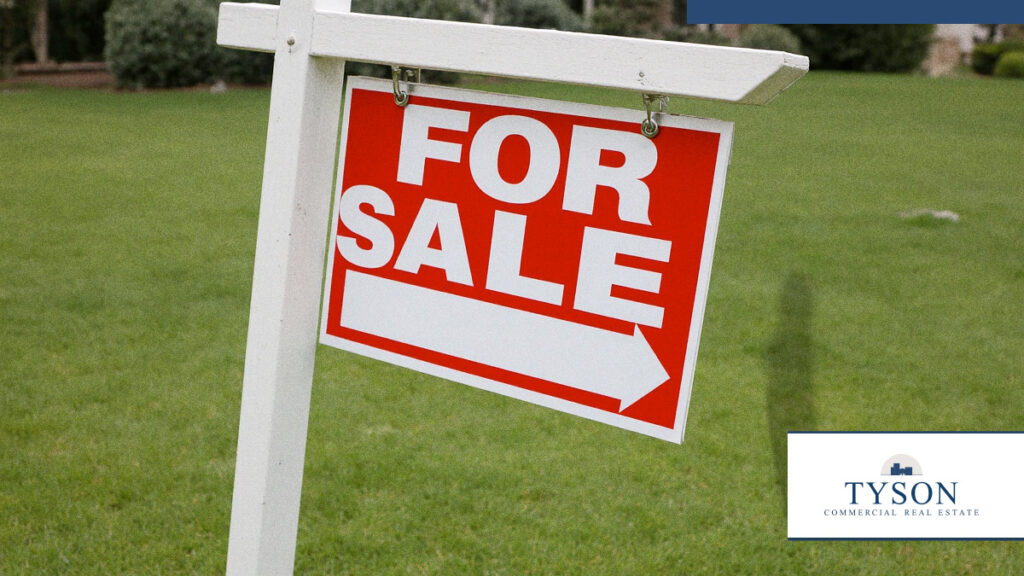
In practice, limited exposure usually looks like this:
- One sign in the yard and nothing else
- A basic listing with almost no photos
- Incomplete or unclear information
- No real digital presence
- Little to no follow up with potential buyers or brokers
From the outside, your property looks like an afterthought.
The result is predictable. Fewer eyes on the property. Fewer showings. Fewer offers. Buyers who do show up sense that they have the upper hand. You end up trading speed or convenience for price and leverage.
How limited exposure hurts your bottom line
When you are selling, you want competition. You want more than one serious buyer at the table. Limited exposure kills that before it even starts.
Here is how it quietly erodes your outcome:
1. Fewer buyers = weaker offers
If only a handful of buyers know the property is available, they do not feel pressure to put forward their strongest terms. They know you have limited options.
2. The “stale listing” problem
In commercial real estate, time on market tells a story. A property that sits for months with no visible activity makes people ask:
- What is wrong with it?
- Is it overpriced?
- Is there a hidden issue?
Even if nothing is wrong, the perception alone can hurt you.
3. You miss the best buyers entirely
Some of your strongest potential buyers may be:
- Out-of-market investors
- Regional or national companies
- Local owners who are quietly expanding
- Developers looking for the right site
If your property never crosses their radar, they cannot compete for it. That is value lost before you even begin negotiations.
What effective exposure looks like today
Good marketing for a commercial property is not about being flashy. It is about being clear, complete, and visible in all the right places.
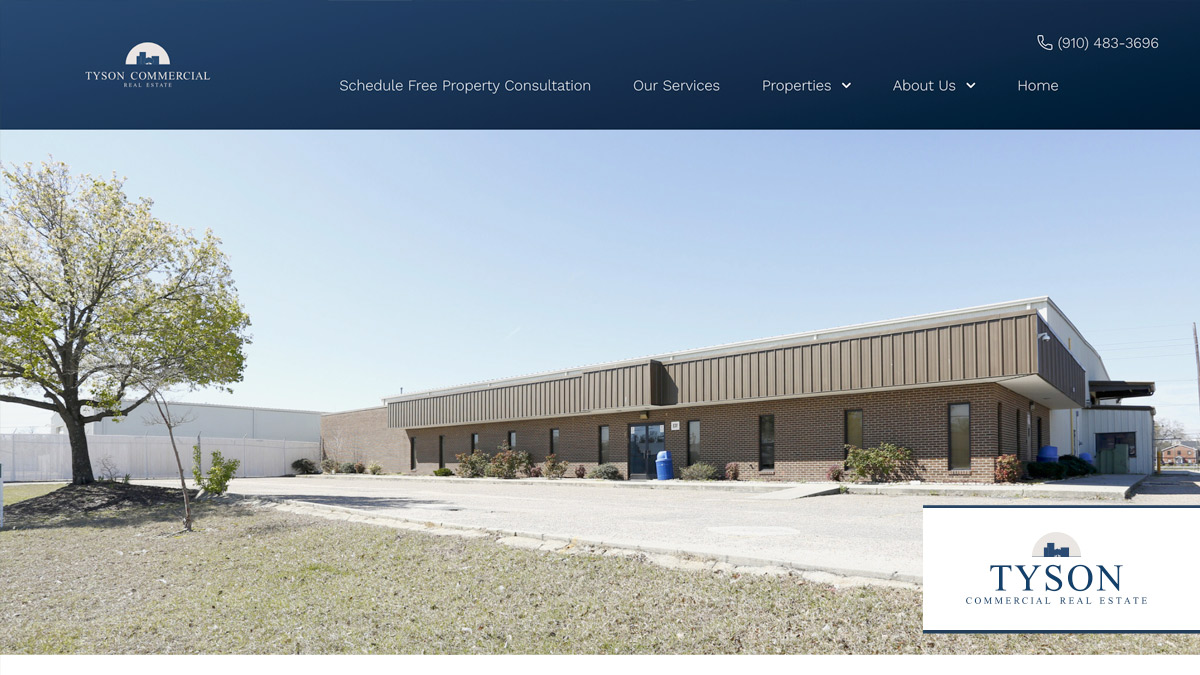
Here is what that looks like in practice:
A strong online listing
Not just “for sale.” You need:
- Accurate, detailed information
- Clear, high quality photos
- Floor plans or site plans when available
- Zoning, parking, access, nearby anchors, and key features
Buyers and their advisors make first cuts online. If your listing is weak, you may never get to a showing.
Syndication across major platforms
Your property should appear:
- On major commercial listing websites
- Within broker networks
- In email campaigns where appropriate
The goal is simple. If someone is seriously looking for a property like yours in this region, they should see it.
Targeted outreach
Some of the best matches come from direct work, not just passive posting. That can include:
- Connecting likely users
- Reaching out to other brokers who specialize in certain asset types
- Contacting investors who own similar properties
This is where Tyson Commercial Real Estate’s experience and relationships really matter.
On-site visibility that actually works
Good signage still counts. It should be clear, professional, and easy to see from the street. The point is to catch the eye of:
- Local businesses that are expanding
- Commuters who drive the corridor daily
- Neighbors who know someone looking
Exposure is not one thing. It is the combination of all of these.
Our perspective as seller-focused brokers
At Tyson Commercial Real Estate, we represent owners and landlords. That focus shapes how we think about exposure.
When we list a property, our only job is to protect and improve the seller’s position. We are not trying to balance competing loyalties between a buyer and a seller in the same transaction. That clarity lets us:
- Push for the best terms for the owner
- Market broadly instead of quietly steering a deal to a preferred buyer
- Advise honestly on pricing and timing
We also keep our fee structure transparent. We do not charge our clients for tenant renewals and improvements, which can quietly add up with some firms. That matters because it keeps incentives aligned with your long-term performance, not just a quick fee opportunity.
At the end of the day, exposure is not about checking a box. It is about doing what is necessary to meet your goals as the seller.
Practical steps owners can take right now
Even if you are already listed with a broker, there are simple questions and actions that can sharpen your exposure.
Prepare the property
- Make it easy to show: clear access, working lights, labeled spaces where possible
- Clean up obvious issues: trash, clutter, blocked entrances
- Have basic info ready: utilities, recent improvements, rent roll if it is an income property
A property that feels cared for photographs better and shows better.
Ask your broker specific questions
Instead of “How is the marketing going” ask:
- How many views and inquiries are we getting?
- Are we targeting owner users, investors, or both? Why?
You are not being difficult by asking. You are protecting your investment.
Request regular updates
You should be getting:
- Showing logs
- Feedback from prospects
- Market context, not just “no news yet”
- Suggestions for adjustments if activity is low
If no one is talking to you, that is its own kind of feedback.
When to reevaluate your strategy
There are a few clear signs that your current exposure is not working:
- Very few or no showings in a reasonable time frame
- Repeated feedback that the pricing, layout, or condition does not match the marketing
- You discover your property is barely visible online or hard to find
When that happens, you have a few levers to pull:
- Refresh the listing with better/more photos and clearer copy
- Adjust pricing to match current market reality
- Reposition the property toward a more realistic buyer group
It is better to make a thoughtful change than to let a good asset sit and go stale.
Final thought and a simple next step
Limited exposure is one of those problems that does not make noise. There is no alarm bell. You just slowly get fewer calls, fewer tours, weaker offers, or sometimes nothing at all.

If you own a commercial property and you are not sure how well it is actually being marketed, it is worth asking a few direct questions and getting a second opinion if needed.
If you would like a straightforward review of how your property is currently positioned in the market, our team at Tyson Commercial Real Estate is happy to take a look and share what we see. No pressure. Just clear feedback from a group that focuses on representing owners in Southeastern North Carolina.
You have invested a lot into your property. The right exposure is one of the simplest ways to protect that investment when it is time to sell.
Contact Tyson Commercial Real Estate today if you are ready.