
Office vacancy is higher today than most owners are used to seeing, and it’s changing how buildings perform in markets like Fayetteville and the surrounding counties. A lot of owners feel like the rules have shifted on them in just a few years.
This article is written for those owners. The goal is to clearly explain what’s happening with vacancy and demand.
1. The New Reality: Higher Vacancy, Different Demand
Across the country, office vacancy is well above pre‑2020 levels, and Southeastern North Carolina has felt that too. Hybrid and remote work have changed how much space companies need and how they use it.
We’re seeing a few consistent patterns:
- Longer lease‑up times than owners expect.
- More sublease space competing with direct listings.
- Tenants downsizing or combining locations when leases roll.
- Increased expectations for concessions: reduced rent, tenant improvement dollars, and flexibility.
For owners, this shows up as pressure on rental rates, nervousness about valuations and refinancing, and uncertainty about future demand for their particular type of building.
But it isn’t that “office is dead.” Demand is just more selective and more segmented than it used to be.
2. Flight to Quality: Why Some Buildings Struggle and Others Don’t
One of the main trends right now is a clear “flight to quality.”
Tenants who are signing leases want:
- Good locations close to services and amenities.
- Updated, flexible floor plans rather than fixed, traditional layouts.
- Decent parking, strong technology infrastructure, and a building that feels professional and safe.
- Lease structures that give them some flexibility as their workforce and headcount evolve.
That has split the market into two broad categories:
In‑demand buildings
These are typically well located, properly maintained, and reasonably up‑to‑date. They can support more flexible layouts, sometimes even medical or mixed‑use concepts. They’re also marketed well and have a clear message about who they are for and why they work.
Those properties still attract tenants and can achieve solid occupancy.
At‑risk buildings
These are the ones that haven’t been updated in a while or are being marketed as generic “office space” with nothing else to set them apart. Often the layout doesn’t match how people work today, and the only lever owners feel they can pull is “lower rent.”
These buildings see higher vacancy and slower absorption. Many are not bad assets, they’re just out of step with today’s demand.
3. What This Looks Like in Southeastern North Carolina
In Fayetteville and nearby counties like Cumberland, Harnett, and New Hanover, the picture is more nuanced than headlines suggest.
On the positive side, there is steady or growing demand for well-positioned space, especially:
- Along major corridors.
- In established business districts.
- In mixed‑use environments.
- Where the space can flex into medical, professional services, or light retail.
At the same time, some owners have:
- Partial vacancy they didn’t expect.
- Suites that sit on the market longer than they used to.
- A feeling that their property should be performing better but no clear plan to make that happen.
The questions that come up again and again:
- What’s a realistic occupancy goal in this market?
- Should I be investing in improvements, and if so, where?
- Is this really an “office” building anymore, or should I shift the use mix?
- How do I attract qualified tenants without giving away too much on concessions?
Tyson Commercial Real Estate is built around helping owners work through questions like these. Our focus is on landlords and sellers, so the entire conversation is centered on the owner’s side of the equation.
4. How Tyson Helps Owners in a High‑Vacancy Environment
The core of what Tyson does for office and mixed‑use owners is fairly simple: protect and grow the long‑term value of the asset in a market that’s more complicated than it used to be.
Because the firm exclusively represents owners and sellers, there’s no confusion about whose interests come first.
Here’s how that shows up in practice.
a) A Market‑Grounded Look at the Building
The first step is understanding the specific building and submarket. That usually includes:
- Current and projected vacancy and absorption among nearby or comparable properties.
- The types of tenants who are actually active in that area: medical, government, professional services, back‑office, retail‑adjacent, and so on.
- What competing buildings are offering in terms of rental rates, build‑outs, and concessions.
From there, the conversation becomes more concrete: Is it best to keep pushing this as office with better marketing and minor improvements? Is there a case to reposition part of the building toward medical, creative, or flex space? Do we need to adjust lease terms to stabilize income while still protecting long‑term value?
b) Positioning the Property With a Clear Story
In a high‑vacancy market, a listing alone isn’t enough. Tenants need to understand why a particular space fits them.
Tyson helps you clarify:
- The ideal tenant profiles for each available space.
- The specific strengths worth highlighting: downtown access, parking, zoning flexibility, visibility, recent renovations, or proximity to anchor uses.
- How to package those points into professional, consistent marketing materials that make the space easy to understand.
You can see this in some of our current listings, which emphasize:
- Historic character and modern upgrades in downtown Fayetteville with flexible DT‑1 and DT‑2 zoning.
- Recently updated buildings that support office, retail, and creative uses under one roof.
- Strong traffic counts and corner exposure along key corridors, making office‑to‑service or office‑to‑retail transitions more realistic.
The idea is to tell a focused story about who the space is for and why it makes sense for them now, not five years ago.
c) Lease Strategies That Respect Long‑Term Value
High vacancy can tempt owners to sign whatever comes along just to fill space, but that can cause real problems down the line.
Because Tyson stands on the owner’s side, the firm helps structure deals that balance current lease‑up needs with the long‑term health of the building. That typically involves: Setting rates that reflect the local market while still supporting the property’s financial goals. Also paying careful attention to term length, renewal options, and annual escalations. And finally, evaluating tenant credit quality and how each use will affect other tenants and future buyers.
Tyson also does not charge clients for tenant renewals and improvements. That’s a practical benefit, but it also reinforces the firm’s role as a long‑term partner rather than a one‑time transaction broker.
d) Practical Advice on Improvements and Repositioning
Not every underperforming building needs a large capital project. Often, a few targeted changes can shift how the market sees the property.
We help you think through questions like:
- Based on our experience with the market where will modest improvements make the biggest difference: lobby, common areas, signage, lighting, restrooms, parking, or technology?
- Are there suites that should be reconfigured or combined to better match the way tenants are taking space today?
- Does the existing zoning support a move toward mixed‑use, medical, or service‑oriented uses that would lease faster than traditional office?
The firm’s background in leasing, sales, property management, land and site selection, redevelopment, and historic renovation makes these conversations concrete instead of theoretical. Owners get a phased plan that connects directly to their budget and risk tolerance.
5. Seeing Opportunity In A High‑Vacancy Market
While higher vacancy is a challenge, it also creates opportunities for certain owners.
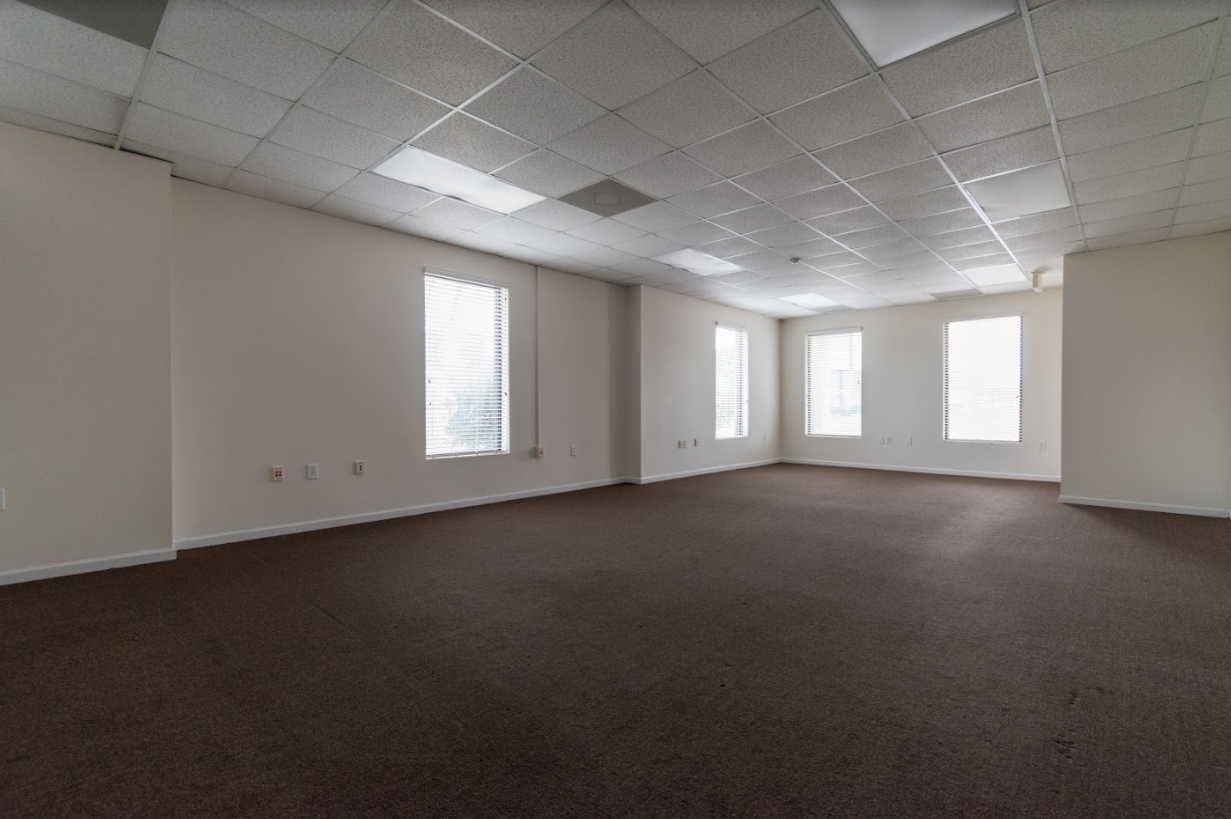
With the right strategy and representation, this environment can be a chance to:
- Attract stronger tenants who would have been locked into other buildings during tighter cycles.
- Reset or upgrade the tenant mix toward more resilient uses.
- Reposition a building that has been “stuck” in a pure office identity into a more flexible, higher‑value concept.
- For some, acquire additional assets at pricing that reflects current uncertainty, then add value through smart leasing and targeted improvements.
Tyson’s mission is to help owners understand the market clearly, choose a path that fits their goals, and stay focused on measurable results rather than short‑term noise.
6. How Tyson’s Model Aligns With Owners
A few points that matter to owners in this environment:
- Tyson specializes in seller and landlord representation, avoiding the conflict that comes from trying to represent both sides of a deal.
- The firm’s fee structure is client‑centric. Owners are not charged for tenant renewals and improvements, which helps keep operating costs and long‑term strategy aligned.
- Tyson is a family‑owned brokerage with roots in this area going back to 2002. The team knows the submarkets, corridors, and local dynamics because they live and work in them.
- There is a strong community focus in the way Tyson approaches each property. Getting the right tenants into the right buildings strengthens both asset performance and the surrounding neighborhood.
7. A Simple Next Step for Office Owners
If an owner in Fayetteville or the surrounding areas is looking at higher vacancy, slower lease‑up, or questions about what to do with an older office building, the next step is straightforward: get a clear assessment.
That can include:
- Reviewing current occupancy, lease structures, and upcoming expirations.
- Comparing the building to what is actually leasing in the immediate area.
- Outlining specific, practical steps to improve performance, whether through marketing, pricing, physical improvements, or a partial change in use.
Tyson Commercial Real Estate can then represent you in implementing that plan, with a single priority: improving the long‑term performance of the property.
Ready? Contact us today.